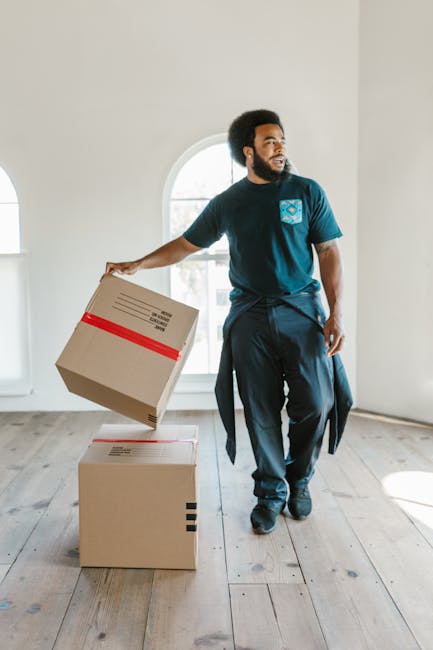
Acre Lane Flat Removals with Stair Access Tips: A Practical Guide for a Smoother Move
If you are planning a move on Acre Lane, you already know the awkward bit is rarely the distance between flats. It is the stairs. Tight turns, narrow landings, shared hallways, and the lovely little surprise of a third-floor walk-up can turn a simple flat move into a proper workout. This guide on Acre Lane flat removals with stair access tips is here to make that job feel manageable, safe, and a lot less stressful. Whether you are moving out of a studio, a Victorian conversion, or a top-floor flat with a wonky stairwell, the right approach can save time, reduce damage, and spare everyone a few headaches. Truth be told, a good stair plan is often what separates a calm move from a chaotic one.
In the sections below, you will find a clear breakdown of how stair access affects flat removals, what to check before moving day, which packing methods actually help, and when it makes sense to bring in a flat removals specialist or a flexible man and van service. There is also a checklist, a comparison table, and a realistic example so you can see how all the moving parts fit together. Let's keep it practical.
Table of Contents
- Why stair access matters on Acre Lane
- How the move works step by step
- Key benefits and practical advantages
- Who this is for and when it makes sense
- Step-by-step guidance
- Expert tips for better results
- Common mistakes to avoid
- Tools, resources and recommendations
- Law, compliance, standards, and best practice
- Options, methods, and comparison table
- Case study or real-world example
- Practical checklist
- Conclusion
- Frequently asked questions
Why Acre Lane flat removals with stair access tips Matters
Acre Lane sits in a busy part of South London where flats are often compact, staircases are often steep, and access can be a little less forgiving than people expect. A move that looks simple on paper can become complicated the moment a sofa meets a sharp landing or a wardrobe refuses to clear the banister. That is why stair access planning matters so much.
With flat removals, stairs affect nearly every part of the day: how many movers you need, how long loading will take, what size vehicle is suitable, whether bulky items can be dismantled, and how carefully items need to be wrapped. In a walk-up building, even something as ordinary as a washing machine can become a two-person task that needs good communication and a clear route. One careless lift, and you are dealing with damaged walls, scratched furniture, or worse, someone getting hurt. Not ideal.
For local moves around Brixton and the surrounding streets, the challenge is often less about distance and more about building layout. Shared entrances, narrow stairwells, limited parking, and neighbours coming and going all play a part. A sensible stair access plan helps you move faster and stay in control, especially if the property is older or has unusual internal angles.
Expert summary: If your flat has stairs, treat access planning as part of the move itself, not as a small detail. Measure early, remove avoidable obstacles, protect the route, and choose the right moving support before the first box leaves the room.
How Acre Lane flat removals with stair access tips Works
A good flat move on Acre Lane usually starts before the van arrives. The best results come from a simple sequence: assess the stair access, identify the bulky items, prepare the route, pack efficiently, and then move in a controlled flow rather than trying to rush everything at once.
First, look at the property from a mover's perspective. Where will items enter and exit? Are there one or two flights of stairs? Is there a turn halfway up? Is the stairwell narrow enough that two people cannot pass comfortably? These are not small questions. They shape the whole move. If the stairs are tight, you may need to dismantle furniture in advance or carry items in a different order so the biggest pieces go first while everyone is fresh.
Then comes packing. Heavy items should be packed in smaller boxes, not giant overfilled ones. It sounds obvious, but people still do it all the time. A box that is too heavy becomes hard to carry on stairs, especially when one hand is needed for balance or to hold the rail. Books, kitchenware, and files are classic culprits. Put too much in one box and you are not saving time; you are setting up trouble.
After that, movers will usually protect the route. That might mean floor coverings, doorway protection, and careful handling around banisters or awkward corners. In many flats, the route itself is as important as the furniture. A clean landing and clear stairwell make every carry safer and quicker.
If you need help with sorting, packing, and unloading, the broader removal services offer can be useful because it lets you combine transport, lifting, and preparation in one booking. For smaller or more flexible loads, a removal van option may be enough, provided the access is planned properly.
Key Benefits and Practical Advantages
When stair access is handled well, the benefits are very real. It is not just about speed. It is about making the move safer and less draining on everyone involved.
- Fewer delays: You spend less time wrestling furniture around awkward corners.
- Less damage risk: Walls, bannisters, and furniture are easier to protect when the route is clear.
- Safer lifting: Proper planning reduces the chance of slips, strains, and poor hand positions on stairs.
- Better vehicle use: When loads are organised, the van can be packed more efficiently.
- Lower stress: It is much easier to stay calm when the plan is already sorted.
There is also a practical financial benefit. Stair-heavy moves often take longer if they are not prepared properly, and time is a cost in removals, whether you are paying by the hour or agreeing a fixed service level. A bit of pre-planning can trim away all the unhelpful faffing about. Nobody wants to spend twenty minutes debating whether a wardrobe can be tilted, when the answer is clearly "probably not".
For people moving out of smaller flats, stair access planning can also help you decide whether you need additional support such as packing and boxes or even temporary storage if the timing between moving out and moving in is a bit messy. And let's face it, that happens more often than we'd like.
Who This Is For and When It Makes Sense
This guide is for anyone moving into or out of a flat with stairs on Acre Lane or nearby streets. That includes students, sharers, couples, families, landlords, and tenants in period conversions or maisonettes. It also suits people with limited time, limited help, or bulky possessions that are awkward to carry.
It makes especially good sense if:
- you live above ground floor level;
- the stairwell is narrow or steep;
- you have furniture that may need dismantling;
- you are moving on a busy day with tight parking;
- you want to reduce wear and tear on the property;
- you have a deadline, such as tenancy handover or keys collection;
- you are moving solo and need efficient support.
Students often underestimate stair access because they assume everything can be carried in boxes and bags. It can, to a point. But a desk, mattress, or drawer unit tells a different story. Families tend to notice the stair issue when they see how many trips are needed with children, prams, and everyday clutter in the mix. In both cases, a considered plan saves a lot of running up and down. Which, to be fair, no one enjoys on moving day.
If you are comparing service types, it can help to look at the broader moving picture too. For example, a home moves service may suit larger household moves, while a more compact man with van arrangement can work well for smaller flats where access is the main challenge rather than volume alone.
Step-by-Step Guidance
Here is a clear, workable approach to stair-access removals. Nothing fancy. Just the sort of planning that keeps the day moving.
- Measure the awkward parts. Check stair width, landing depth, ceiling height on turns, and any tight hallway corners. If you have furniture measurements already, compare them against the stair route.
- Identify the problem items early. Sofas, wardrobes, mattresses, chest of drawers, and appliances are the usual suspects. If anything looks borderline, plan to dismantle it.
- Declutter before packing. Fewer items mean fewer trips. This is especially useful on a staircase move where every extra box matters.
- Pack for carrying, not for storage. Use smaller, solid boxes for heavy items and keep weight balanced. A box should feel liftable with good control, not like you are training for a strongman event.
- Protect the route. Clear shoes, mats, pushchairs, loose coats, and any wobble-prone objects from hallways and landings.
- Reserve parking and loading space if possible. If a vehicle is blocked in or forced to park too far away, stairs become only half the problem.
- Move in priority order. Start with the biggest items while everyone is alert and rested, then work through the smaller boxes.
- Keep communication simple. Call out turns, steps, and pauses. On stairs, a clear "stop" or "wait" matters more than a long explanation.
- Check the final rooms last. Once the main load is delivered, make sure nothing is left behind on landings, bathrooms, or cupboards.
If the property has particularly awkward access, booking a service that understands local flat moves can make the whole process easier. A dedicated flat removals option is often better suited to stair-heavy buildings than a generic move booked with no access notes at all.
Expert Tips for Better Results
In our experience, the little details make the biggest difference. Here are the tips that tend to help most on stair access jobs.
1. Load the heaviest items first, but only if the route is clear
Big furniture should usually go early in the move, before fatigue sets in. But do not rush it onto stairs that are still cluttered or being used by other residents. A clean route beats enthusiasm every time.
2. Break down furniture wherever you reasonably can
Remove legs, shelves, mattress protectors, handles, and loose parts in advance. A piece that is awkward in one piece may become simple once split into manageable sections. This is one of those jobs that takes ten minutes and saves thirty.
3. Use the right number of people
Two movers are often enough for small flats, but awkward staircases, heavy appliances, or bulky furniture may call for a third pair of hands. That is not overkill. It is common sense.
4. Keep one person in charge of pacing
If everyone improvises, stair moves can become messy. One person should decide when to lift, pause, or reset. It sounds a bit bossy, but it works.
5. Respect the building
Communal stairs and shared entrances can be vulnerable to knocks and scuffs. A careful move helps preserve goodwill with neighbours and avoids complaints later. Nobody wants that awkward corridor conversation at 8 a.m.
For more complex jobs, especially if you are moving valuable or unusually heavy items, it can be worth checking the provider's insurance and safety approach before you book. That gives you a better sense of how they handle risk, lifting, and property protection.
Common Mistakes to Avoid
Stair-access removals tend to go wrong in predictable ways. Avoiding these mistakes can make the move feel much more controlled.
- Underestimating measurements: Guessing is not a plan. Measure the furniture and the stair route.
- Overpacking boxes: Heavy boxes on stairs are awkward and unsafe.
- Forgetting the landing space: A piece may fit the stairs but fail on the turn.
- Not checking parking: Carrying everything extra distance before you even start the stairs is exhausting.
- Leaving packing until the last evening: That is when mistakes happen and items get mixed up.
- Ignoring fragile hallway surfaces: Painted walls, banisters, and old bannisters are easily damaged.
- Assuming every van service handles stair-heavy moves the same way: They do not.
One common scenario goes like this: the tenant can see the sofa is wide, but assumes it will "angle through somehow". Then the moving team reaches the second-floor turn, and suddenly the sofa is a geometric problem. If you can avoid that scene, you probably should. Slightly less drama, better mood, everybody wins.
Tools, Resources and Recommendations
You do not need a warehouse full of specialist gear, but the right basics help a lot.
| Tool or Item | Why It Helps on Stairs | Best Use |
|---|---|---|
| Furniture blankets | Protects surfaces from scratches and knocks | Sofas, tables, wardrobes |
| Strong tape and labels | Keeps boxes secure and easy to identify | Packing and room sorting |
| Small sturdy boxes | Safer to carry than oversized heavy boxes | Books, dishes, tools |
| Gloves with grip | Improves control when lifting | Appliances and bulky boxes |
| Door protection | Reduces scuffing on narrow routes | Shared stairwells and entries |
| Screwdriver or hex key set | Useful for last-minute dismantling | Furniture legs, bed frames, units |
It also helps to use services that match your move size. If you are only moving a few rooms' worth of items, a smaller vehicle or man with a van setup can be practical. If you are moving a full household, a larger vehicle such as a moving truck may make more sense. For a more structured move with packing support, packing and unpacking services can take a lot of pressure off the stair work because the boxes arrive better prepared.
Law, Compliance, Standards, or Best Practice
Flat removals involving stairs are not usually about complex legal requirements, but they do sit within normal UK health and safety expectations. In practice, that means movers should use sensible lifting methods, avoid unnecessary risk, and take care around shared spaces. The same goes for anyone helping on the day. If a route is unsafe, it is better to pause and replan than to force a carry that clearly does not fit.
Good practice usually includes:
- checking access in advance where possible;
- using appropriate lifting techniques;
- protecting communal areas and property surfaces;
- making sure vehicles are parked responsibly;
- keeping walkways clear;
- not overloading boxes or attempting unsafe solo lifts;
- following any building rules for moving times or access.
For peace of mind, it is sensible to review a company's health and safety policy alongside its pricing and service details. That is especially helpful if you are moving on a tight schedule, moving valuable items, or need to understand what is covered if something unexpected happens. A bit of care up front saves a lot of confusion later.
If you are comparing providers, you may also want to look at the broader trust signals around terms and conditions and payment and security. These are not thrilling reading, granted, but they do tell you how the process is handled. Boring, yes. Useful? Very.
Options, Methods, or Comparison Table
Different moves call for different setups. Here is a straightforward comparison to help you choose the right approach.
| Option | Best For | Strengths | Watch Outs |
|---|---|---|---|
| DIY with friends | Very small flats, light loads | Low cost, flexible timing | Higher risk on stairs, less experience, more strain |
| Man and van | Small to medium flats with mixed items | Flexible, practical, cost-effective | May need careful planning for stair access and bulky furniture |
| Flat removals service | Stair-heavy flat moves with furniture | Better route planning, safer handling, more efficient | Usually costs more than bare transport alone |
| Full removal service | Larger homes or complex moves | More support, less stress, easier coordination | May be more service than a small flat needs |
If your move is mostly boxes and a few lighter items, a compact approach may do the job. If you have a sofa, bed frame, and a narrow stairwell, professional help is usually worth it. That is especially true in older Brixton buildings where the staircase can be charming in photos and mildly annoying in real life.
Case Study or Real-World Example
Picture a second-floor flat near Acre Lane with one narrow staircase, a bend halfway up, and no lift. The move includes a double mattress, a bed frame, a small sofa, kitchen boxes, and several storage tubs. Nothing huge, but enough to become awkward quickly.
The first step is a quick access check. The sofa is measured, the bed frame is dismantled, and the boxes are repacked so the heavy ones are smaller. The hallway is cleared the night before. A neighbour's bike that was leaning near the entrance gets moved out of the way. Nice little win.
On the day, the mattress goes out first after being wrapped. The bed frame follows in parts. The sofa is rotated carefully on the landing, with one person guiding from below and one from above. No one rushes. Boxes are taken in a sensible order, with the heaviest ones moved early while everyone still has energy. The whole move is finished without damage and without that horrible "we may have trapped the sofa" moment. It is a simple example, but it shows the point: stair access works best when you plan around the building, not against it.
For larger homes, a move like this may be better supported by house removals, but for a flat the real value comes from keeping the plan lean and tidy. Small space, sharp turns, steady pacing. That is the game.
Practical Checklist
Use this checklist the day before your move. It is short, but it covers the basics that matter most.
- Measure the widest furniture and compare it with the stair route.
- Confirm whether items need dismantling.
- Pack heavy items into smaller boxes.
- Label boxes by room and weight.
- Clear the hallway, landing, and entrance.
- Protect floors, walls, and bannisters where needed.
- Arrange parking or loading access.
- Set aside tools for quick dismantling.
- Keep essentials separate for immediate access.
- Check that no items are left in cupboards, bathrooms, or on stair landings.
If you are unsure whether you need extra help, it can be worth looking at removal companies that understand local flat access issues rather than just offering transport. A good provider will ask the right questions before moving day, not after the sofa gets stuck halfway up the stairs.
Get a free quote today and see how much you can save.
Conclusion
Acre Lane flat removals with stair access tips are really about one thing: making a tricky physical job feel organised. Stairs do not have to turn a flat move into chaos. With careful measurements, lighter boxes, a clear route, and the right moving support, even an awkward stairwell becomes manageable.
The key is to plan early and be realistic. If a piece of furniture is too large, deal with it before moving day. If the access is tight, choose the right service. If the boxes are heavy, repack them now rather than regretting it on the landing later. Small decisions, made early, have a habit of saving the whole day.
And honestly, that is the comforting part. A good move does not need to be perfect. It just needs to be well thought through, calm enough to follow, and flexible enough to handle a bit of real life. That is usually enough.
Frequently Asked Questions
How do I prepare a flat with stairs before moving day?
Start by measuring the stairs, landings, and any awkward turns, then identify furniture that may need dismantling. Clear hallways, pack heavy boxes smaller, and make sure the route is free of loose items. A little prep goes a long way here.
What is the biggest challenge with Acre Lane flat removals?
Usually it is the combination of stairs, narrow access, and limited space on landings or in shared entrances. In older buildings, turns can be tight, so bulky furniture needs careful planning.
Should I dismantle furniture before moving a stair-access flat?
Yes, where practical. Beds, tables, wardrobes, and shelving units often move more safely and quickly when broken down into smaller parts. It also reduces the chance of scuffing walls or getting stuck on the turn.
Are man and van services suitable for flats with stairs?
They can be, especially for smaller moves or lighter loads. The key is being honest about the access and the size of the items. If you have a lot of furniture or a very tight stairwell, a more specialised flat removals service may be better.
How heavy should moving boxes be for stair carrying?
There is no exact rule that suits every person, but boxes should stay comfortably liftable and balanced. If you have to strain to pick one up at floor level, it is probably too heavy for stairs.
How can I protect the walls and bannisters during a move?
Use blankets, padding, and careful route planning. Move slowly through narrow points, and make sure the person guiding the item calls out turns or pauses. Protecting the route matters just as much as protecting the furniture.
Do I need parking arranged for a stair-access move?
It is strongly recommended. If the vehicle is forced to park far away, movers will spend extra time carrying items before the stairs even start. That adds effort and delay, and it can make the day harder than it needs to be.
What should I do if my sofa will not fit around the stair landing?
Stop and reassess rather than forcing it. The safest options are usually to remove legs, rotate the item differently, or dismantle it further if possible. If it still will not work, you may need a different route or extra help.
Can I handle a stair-heavy flat move myself?
For very small moves, yes, sometimes. But once you have awkward furniture, heavy boxes, or a difficult stairwell, professional help is often safer and less stressful. Let's be honest, one bad lift can derail the whole day.
How far in advance should I book a flat removal service?
As early as you can, especially if your move is on a busy date or your property has difficult access. Early booking also gives time to plan measurements, parking, and packing properly.
What should I ask a removal company about stair access?
Ask how they handle narrow staircases, whether they need measurements in advance, what items may need dismantling, and whether they provide protective materials. It is also sensible to ask about insurance, timing, and payment terms.
Is same-day moving possible for a flat with stairs?
Sometimes, yes, if the load is small and access is clear. But stair-heavy jobs are easier when planned rather than rushed. If time is tight, a same-day removals option may help, provided the access details are explained clearly from the start.